
A Continuous History of Castle Bytham Railway Station
In the quiet folds of Castle Bytham, where the hills cradle stories older than steam, a railway once ran not grand, not sprawling, but vital. It arrived late, lingered briefly, and left behind a trace that still shapes the village’s memory.
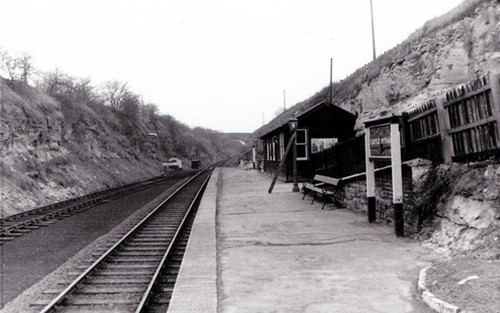
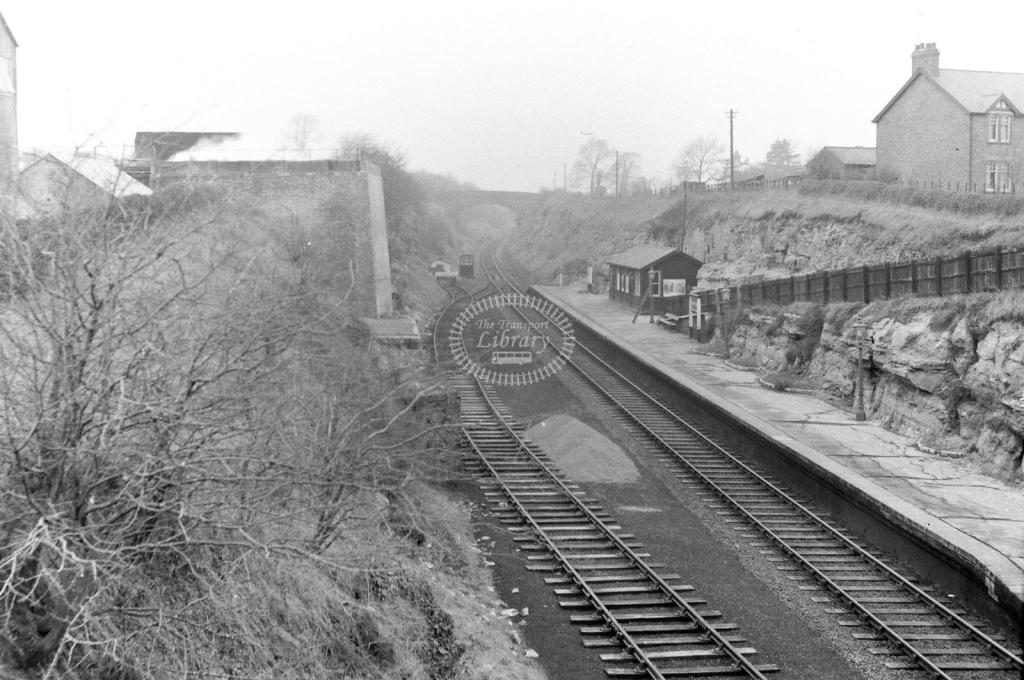
The station opened on 4 April 1898, built by the Midland Railway after persistent lobbying from local residents. It wasn’t part of the original plan. The railway line had already been laid, cutting through the village in a shallow cutting, but Castle Bytham was not meant to have a stop. The villagers insisted and won.
Thus, a single platform was carved into the landscape, modest and practical. The station became part of the Midland and Great Northern Joint Railway (M&GN), a network that stretched across eastern England, connecting rural communities to market towns and coastal ports. Though the station was owned by the Midland Railway, services were operated jointly with the M&GN, linking Castle Bytham to places like Bourne, South Witham, and Little Bytham.
At Little Bytham Junction, just a few miles east, the line crossed the Great Northern Railway (GNR) main line. The GNR had powers to build a junction there but never did. Instead, Little Bytham remained a curious node with its own goods yard and connection to the Edenham Light Railway, also known as Lord Willoughby’s Private Railway, which ran northeast toward Grimsthorpe.
Castle Bytham’s station served both passengers and freight. It was a lifeline for farmers, traders, and families. Coal, livestock, and letters passed through its gates. Children waved at passing trains. The rhythm of steam became part of village life.
But the age of rail was changing.
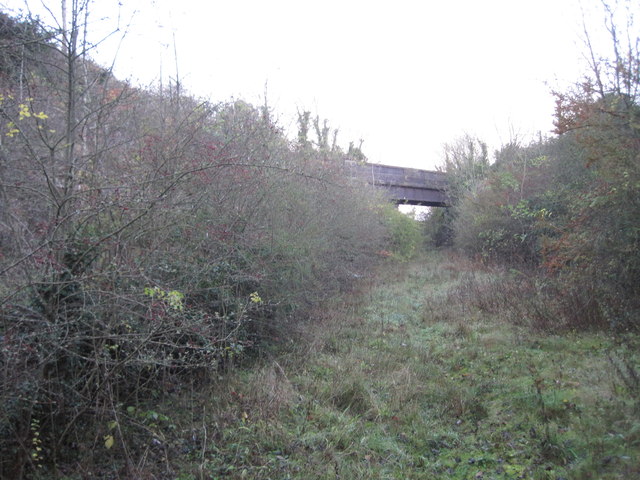
On 2 March 1959, the station closed along with much of the M&GN network. The tracks were lifted, the platform abandoned. The cutting remains a quiet scar beneath Station Road, where the bridge still crosses the old trackbed. The name of the road is one of the few reminders that trains once stopped here.
Today, Castle Bytham is served only by distant stations in Grantham and Peterborough. The East Coast Main Line hums far to the east, out of sight. Yet the memory of the station endures — in maps, in stories, and in the gentle curve of the land where steel once sang.
